Data center Dust Monitoring

Continuously monitor PM1, PM2.5, and PM10 across data center environments to detect changing particulate conditions early and help protect sensitive IT equipment and infrastructure.

PM1, PM2.5 & PM10

continuous particle monitoring

Wireless LoRaWAN®

no data cabling at each monitoring point

Alerts before

dust reaches critical gear

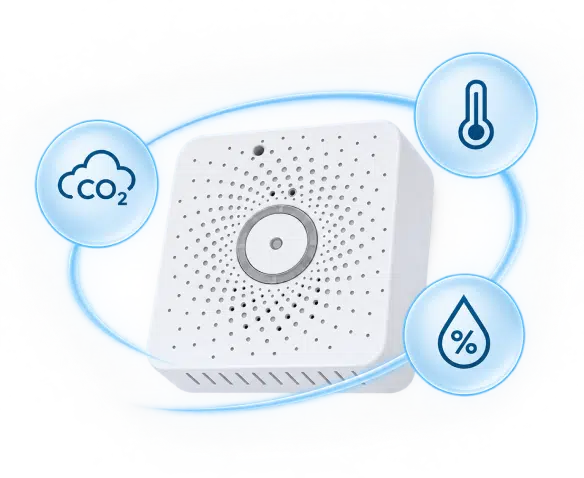
Temperature & humidity

from the same device

See Changes in Airborne Particles Before They Become an Operational Concern

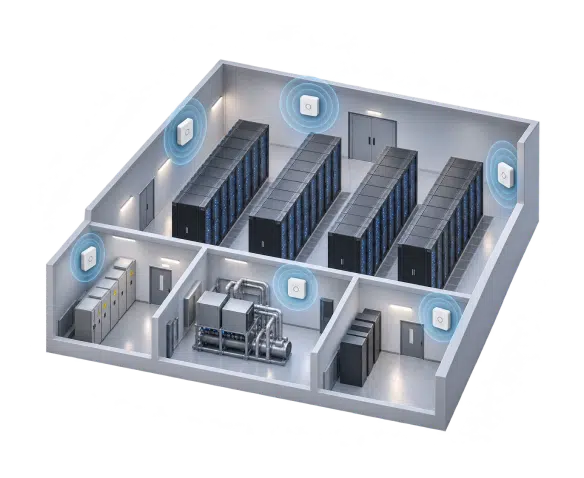
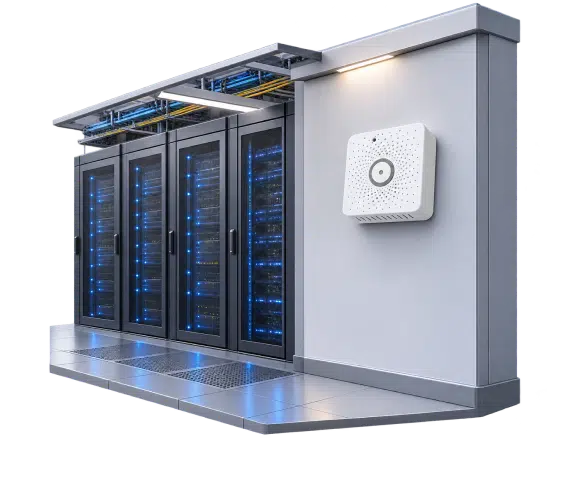
Fine dust accumulates filters, fans, and heat sinks, reducing cooling capacity and increasing the risk of equipment failure over time. AERIS monitors PM1, PM2.5, and PM10 levels in data halls and support areas, enabling facility and IT teams to detect dust buildup before it affects hardware. LoRaWAN® connectivity provides alerts and trend data without requiring additional wiring at monitoring points.

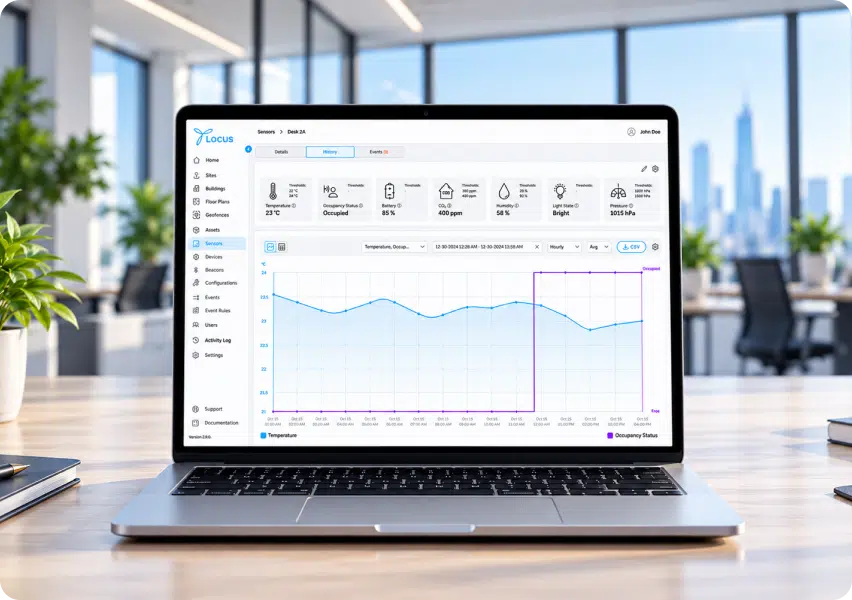
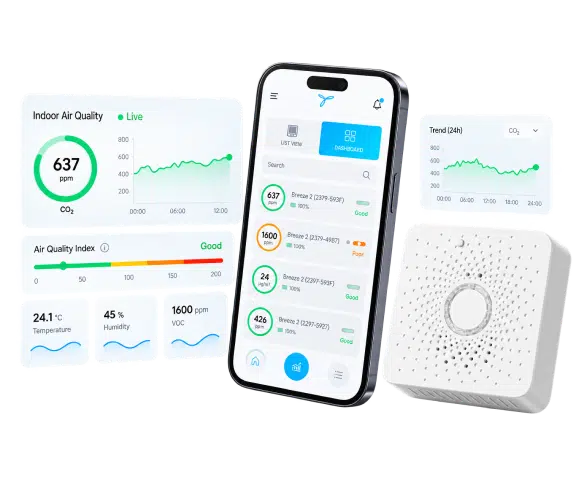
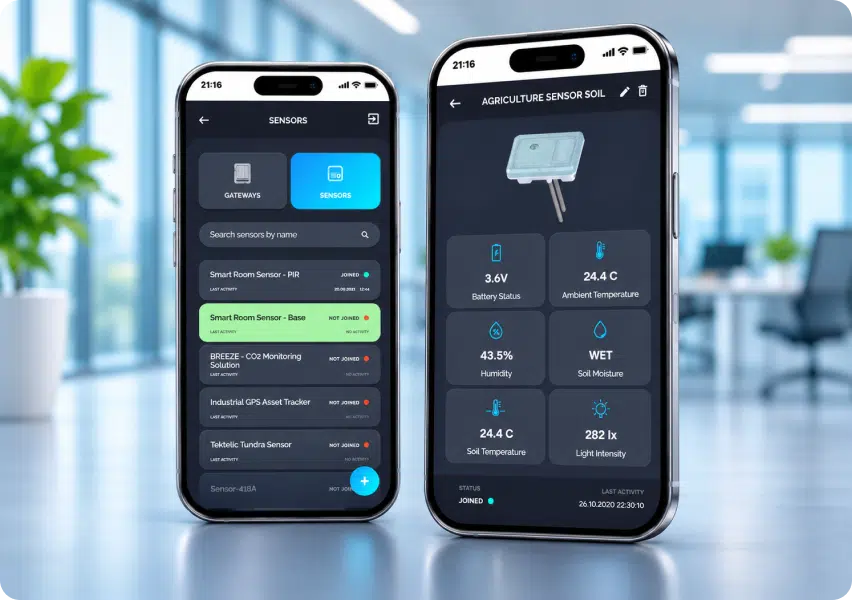
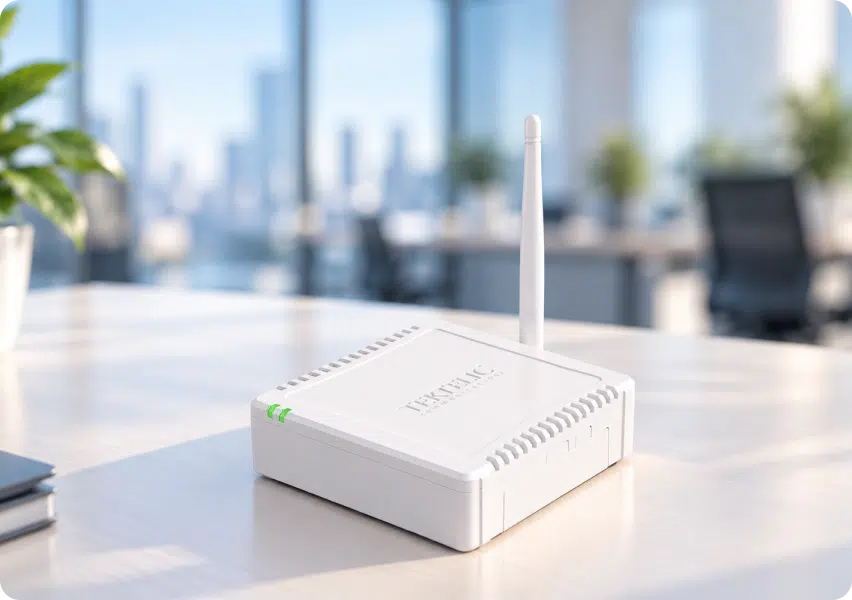
BREEZE and BREEZE-V also monitor CO2, temperature, humidity, and occupancy, helping teams distinguish between dust events and changes in airflow. A single KONA Micro gateway supports server rooms, colocation halls, loading docks, and plant rooms. Data is available through the LOCUS App or your building management system.
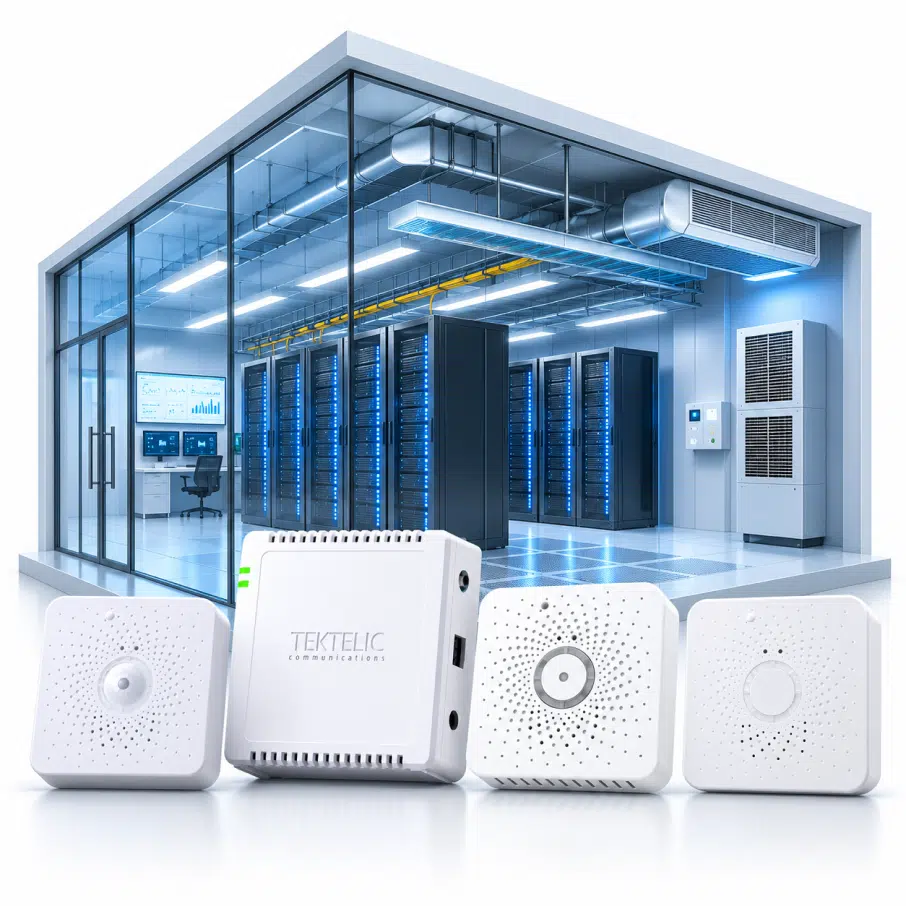
The Complete LoRaWAN® Kit for Dust Monitoring
Deploy Dust Monitoring in Four Steps

1 Identify

Select representative monitoring points across data halls and supporting technical areas where particulate visibility is most valuable.

2 Install

Deploy AERIS sensors at the selected locations without running a dedicated data connection to every monitoring point.

3 Connect

Use LoRaWAN® connectivity to bring particulate, temperature, and humidity data from distributed sensors into the monitoring platform.

4 Monitor

Track trends, configure thresholds, and investigate changes in particulate conditions across monitored areas over time.

Breeze App

Instantly monitor air
quality in real-time

01_breeze

LeapX App

Onboard any device in
minutes with a QR code scan​

02_leapx

BMS Integration

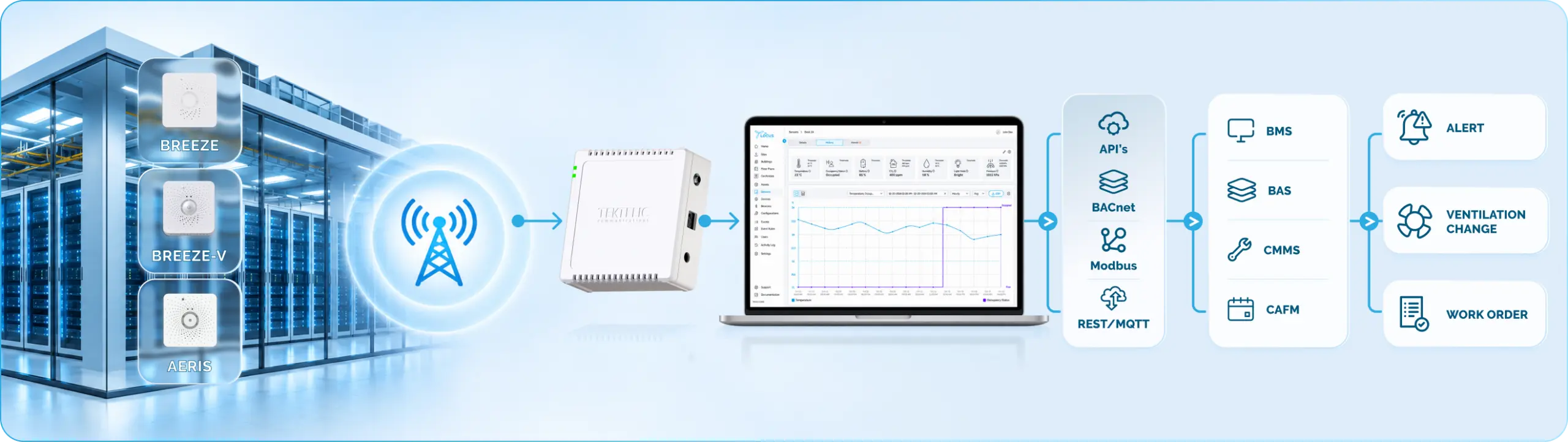
Connect LoRaWAN® sensors to your BMS via KONA gateways with Embedded LNS, using BACnet/IP or Modbus TCP.

LOCUS App

Monitor building conditions, visualize sensor data, and manage alerts across multiple rooms, floors, and locations from one platform.

04_locus_app

Know Your Cooling Isn’t Fighting Dust

Real-time particulate readings, alerts before filtration slips, and years of battery life in every hall.

Easy Integration with Existing Data Center and Building Systems

TEKTELIC is designed to fit into your existing building infrastructure, without requiring facility teams to replace the BMS or introduce a separate monitoring workflow. PM1, PM2.5, PM10, temperature, and humidity data from AERIS can be integrated into existing BMS, data center monitoring, and facility-management platforms using supported standard interfaces and APIs, depending on the deployment architecture.

Monitor Particulate Conditions Across Critical Data Center Areas

Dust behaves the same way in every facility. What it costs depends on the hall it settles in. A hyperscale campus and a single-tenant colocation suite need different proof that filtration is holding. Every operator needs a record that does not rest on a walk-round.

TEKTELIC Data Center Dust Monitoring for Enterprises and Colocation

Enterprise & Colocation

Shared halls mean one tenant’s construction or churn can raise dust for every rack in the room. Continuous readings show which tenant’s activity moved the numbers and when.

TEKTELIC Data Center Dust Monitoring for Hyperscale Campuses

Hyperscale Campuses

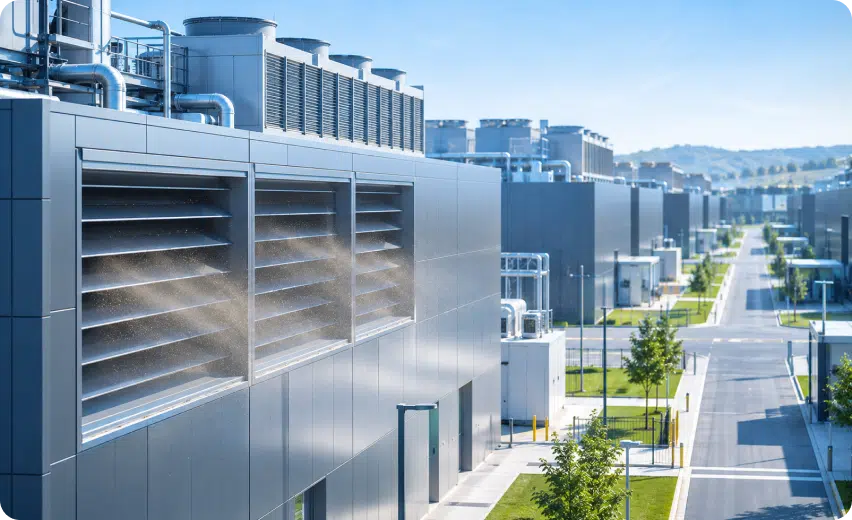
Free-cooling designs pull in outside air, and with it more dust than a sealed room sees. Trend data across many halls shows whether filtration is keeping pace at scale.

Edge & Micro Data Centers

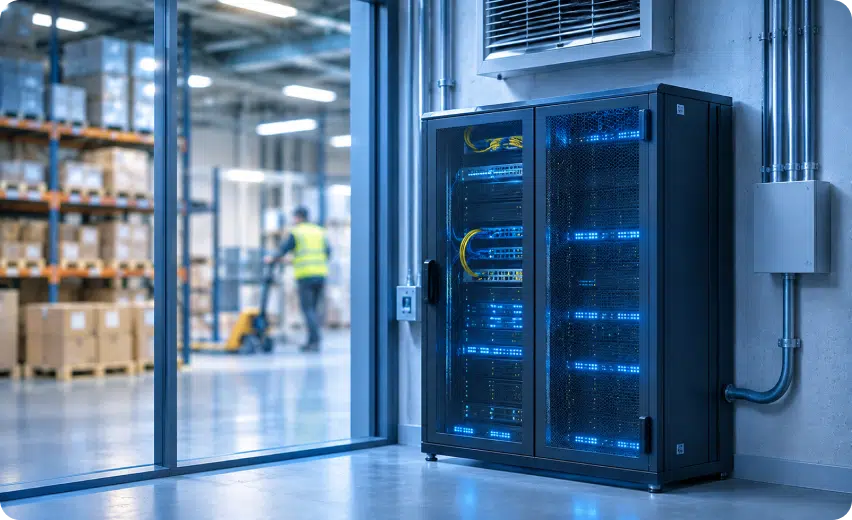
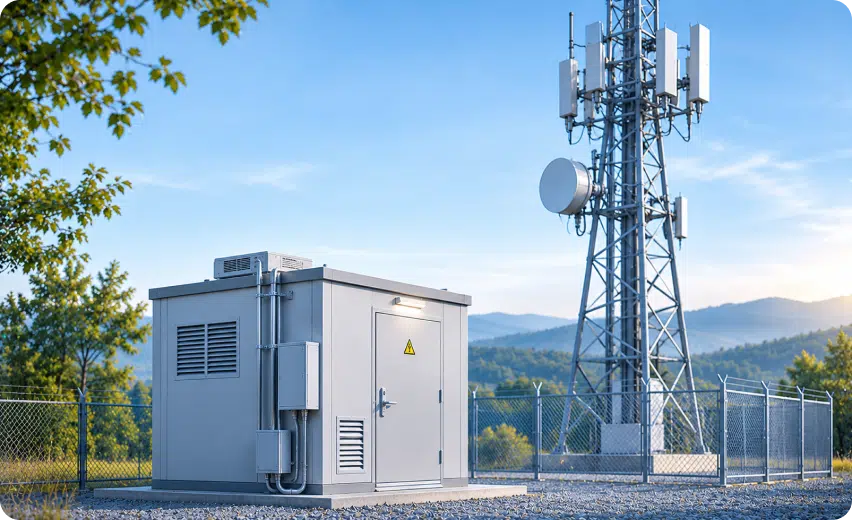
Edge sites sit in warehouses, retail backrooms and cell towers with no engineer on hand. Wireless sensors give remote teams the same view a staffed facility gets.

TEKTELIC Data Center Dust Monitoring for Telecom Network Facilities
Telecom Network Facilities

Central offices and network huts run older HVAC on tight budgets. Measured dust trends justify filter spend where it is needed and defer it where it is not.

TEKTELIC Data Center Dust Monitoring for Financial Services

Financial Services

Uptime commitments and audit requirements leave no room for guesswork. A continuous record ties filtration performance directly to the SLA and the compliance file.

TEKTELIC Data Center Dust Monitoring for Healthcare

Healthcare & Life Sciences

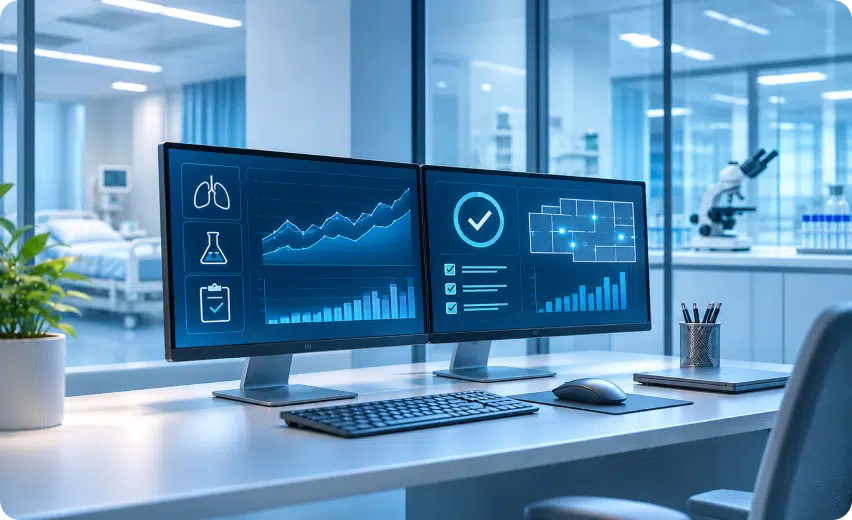
Data centers behind clinical and lab systems face the same air-quality scrutiny as the facilities they serve. Continuous dust data backs that oversight directly.

benefits that matter

What You Gain With Data Center Dust Monitoring

Protect sensitive hardware

Airborne particulate fouls fans, heat sinks and connectors over time. Continuous PM readings flag rising dust before it contributes to equipment failure.

TEKTELIC Dust monitoring solution to reduce unplanned downtime

Reduce unplanned downtime

Dust-related cooling and hardware issues often build for weeks before they cause an outage. Early trends give teams time to act before a hall goes down.

TEKTELIC Dust Monitoring Silution to keep cooling running efficiently

Keep cooling running efficiently

Fouled coils and filters make cooling systems work harder for the same result. Measured dust trends show when filtration needs attention before efficiency drops.

Target maintenance

Fixed filter-change schedules treat every hall the same. Measured particulate trends let teams service the halls that need it and leave the rest alone.

Support compliance reporting

ASHRAE TC9.9 guidance and internal SLAs both call for evidence, not assumptions. Continuous readings give facility teams a record for audits and client reviews.

Catch problems before they escalate

Threshold alerts reach facility and IT teams as conditions change, not after an outage or an audit. Problems get addressed on your schedule, not on theirs.

Lower Your Environmental Impact Without More Maintenance

Traditional dust surveys mean hired equipment, temporary cabling and gear that needs a service call every year or two. TEKTELIC takes a different approach.

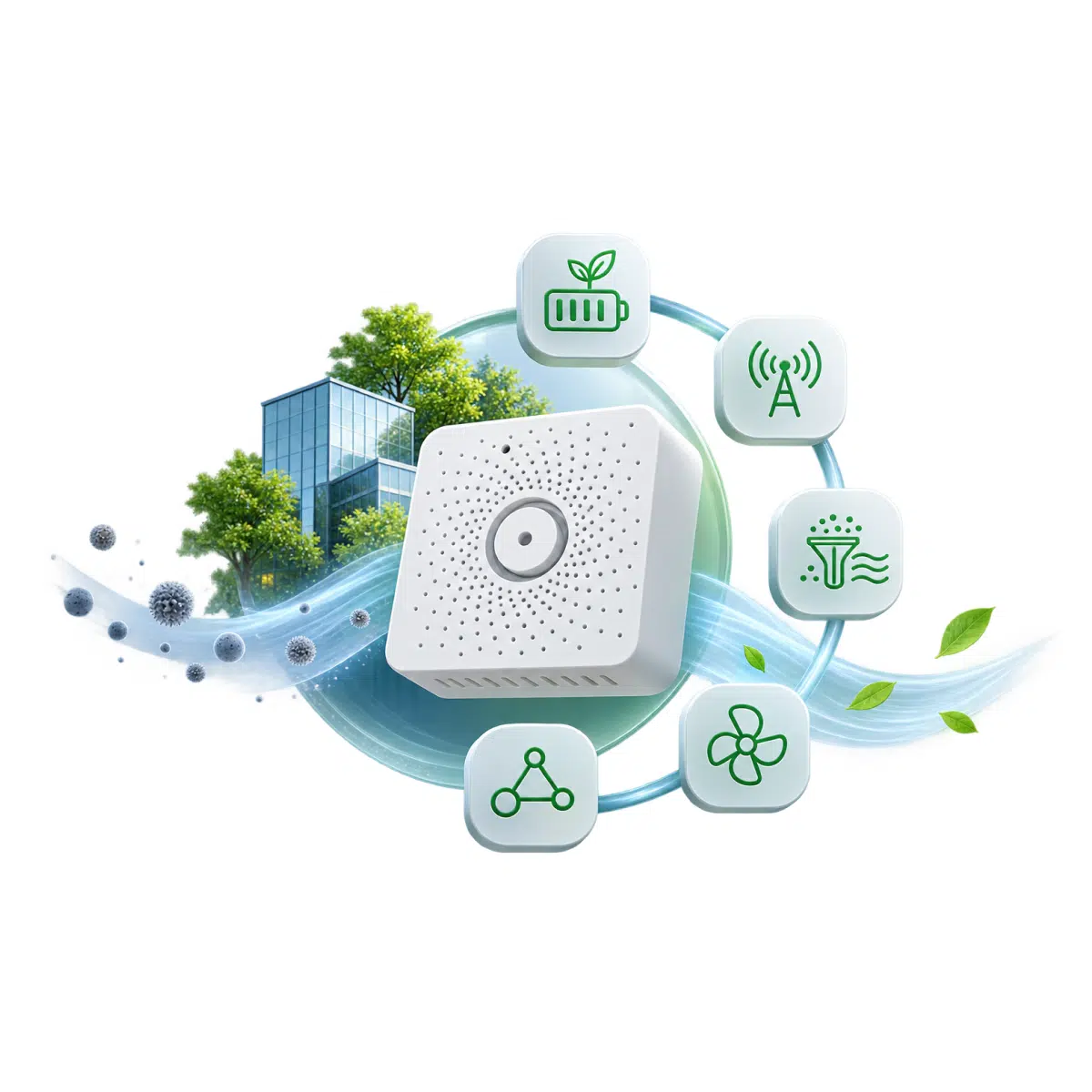
Eco-friendly dust monitoring solution by TEKTELIC for data centers

Frequently-asked questions

It is continuous measurement of PM1, PM2.5 and PM10 in data halls and support areas. Teams judge filtration from measured conditions, not a fixed schedule. Sensors report to a dashboard, so trends show across every hall.

Dust fouls filters, fans, heat exchangers and connectors. Fine particles can also carry a conductive or corrosive load. Left unchecked, this raises cooling load and increases the risk of equipment failure over time.

Each size fraction points to a different source. PM10 covers coarse dust from construction, deliveries and foot traffic. PM2.5 and PM1 come from combustion, outside air intake and fine mechanical wear, and stay airborne far longer.

ASHRAE TC9.9 sets guidance for dust exposure in data center gear. Many sites also set their own trigger level from early readings. No single figure fits every site. 

Yes. Measured trends let teams service the halls and units that need it. Where conditions stay stable, the interval can extend, instead of every hall following one fixed calendar.

A one-off survey gives one reading at one moment, usually once someone is worried. LoRaWAN® sensors measure many halls at once. They run for years on a battery, including nights and weekends, when maintenance work often happens.

No. LoRaWAN® sensors talk to a LoRaWAN® gateway, not Wi-Fi or Ethernet. One KONA Micro gateway can cover a data hall and its support areas. Sensors run on battery power, with no wiring into finished space.

Yes. TEKTELIC LoRaWAN® solutions connect to building management, DCIM and IoT platforms via BACnet, Modbus or REST/MQTT. A threshold event can raise a BMS alarm or open a work order in your maintenance system.